About Me.
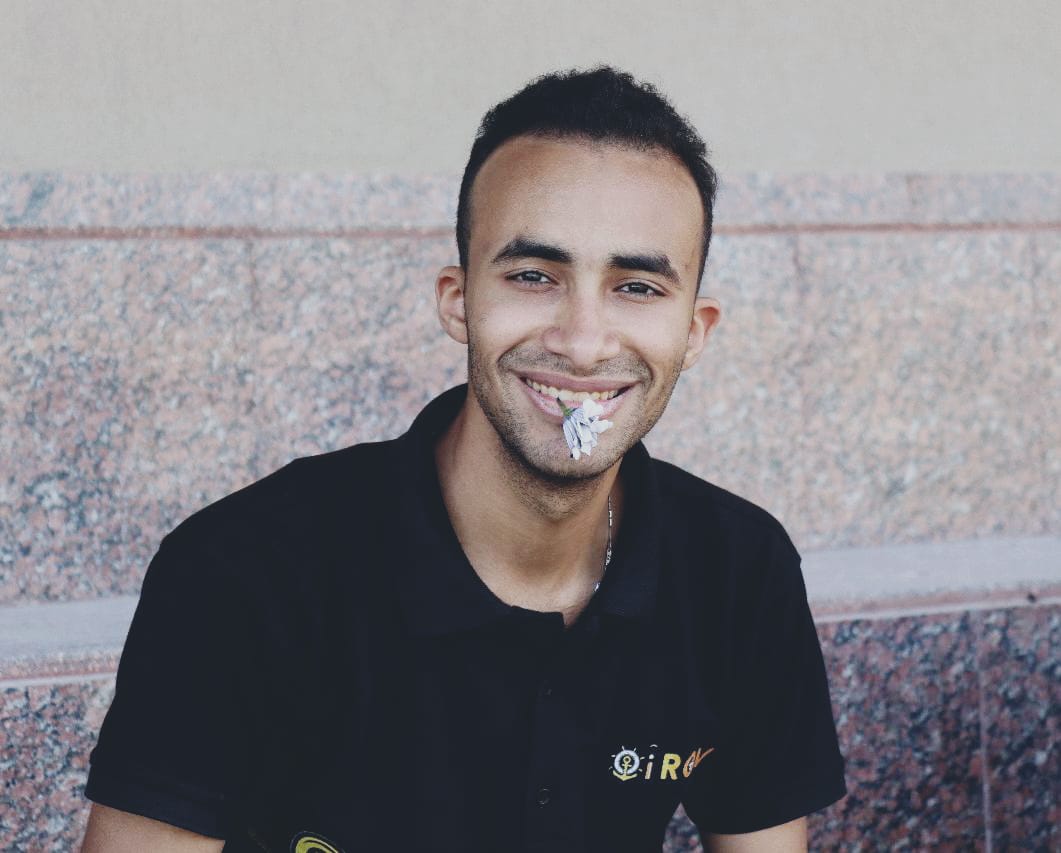
I’m Abdullah Ibrahim, an AI Engineer with hands-on experience in building and deploying machine learning systems that solve real-world problems. My expertise spans supervised and unsupervised learning, deep learning, and natural language processing. I’ve developed end-to-end ML pipelines using tools like TensorFlow, PyTorch, and Streamlit—covering everything from data preprocessing to model evaluation and deployment. My work includes real-time applications such as credit card fraud detection, heart failure risk prediction, obesity prediction, and customer segmentation systems. In NLP, I’ve worked extensively with techniques like BoW, TF-IDF, Word2Vec, GloVe, FastText, and ELMo, and implemented sequence models including RNN, LSTM, GRU, and CNN. I’m particularly passionate about applying these technologies to domains like healthcare and finance, where intelligent systems can truly make a difference.
Education
- Al Obour High Institute for Managament , Computers and Informatics Bachelor of Computer Science 2018-2023 Grade: Good
- National Telecommunications Institute (NTI) DEY Program – Machine Learning April 2025 – July 2025 Score : 95%
Experience
- GlobalCorp- AI Engineer Intern July 2025 - Oct 2025
- Al Obour High Institutes Projects Manager Dec 2024 - June 2025 AI/ML Instructor June 2025 - Sep 2025
- OI ROV Founder & CEO Feb 2022 - Oct 2023 Advisory Board Chairman Nov 2023 - Present
- Huawei ICT Academy Ambassador May 2022 - Oct 2023
- Support Ain Shams University AI/ML Instructor Aug 2022 - Jul 2023
Awards
- No Pain No Gain MATE ROV Egypt — 2022
- 1st Place Cairo Geniuses Forum competition — 2022
- 7th Place The International Competition of Military Technical College - 2023
- Best Ambassador Huawei — 2023
- 3rd Place Al Alamein Robotics Championship — 2023
- 6th Place Obour CPC Qualifictions — 2020 & 2021 & 2022
Skills
- Python
- Data preprocessing & feature engineering
- Critical Thinking, Problem Solving & Creativity
- Machine learning algorithms & techniques
- Deep learning frameworks (TensorFlow, PyTorch)
- Natural Language Processing (NLP) techniques
- Git , Github & Docker
Selected Works.
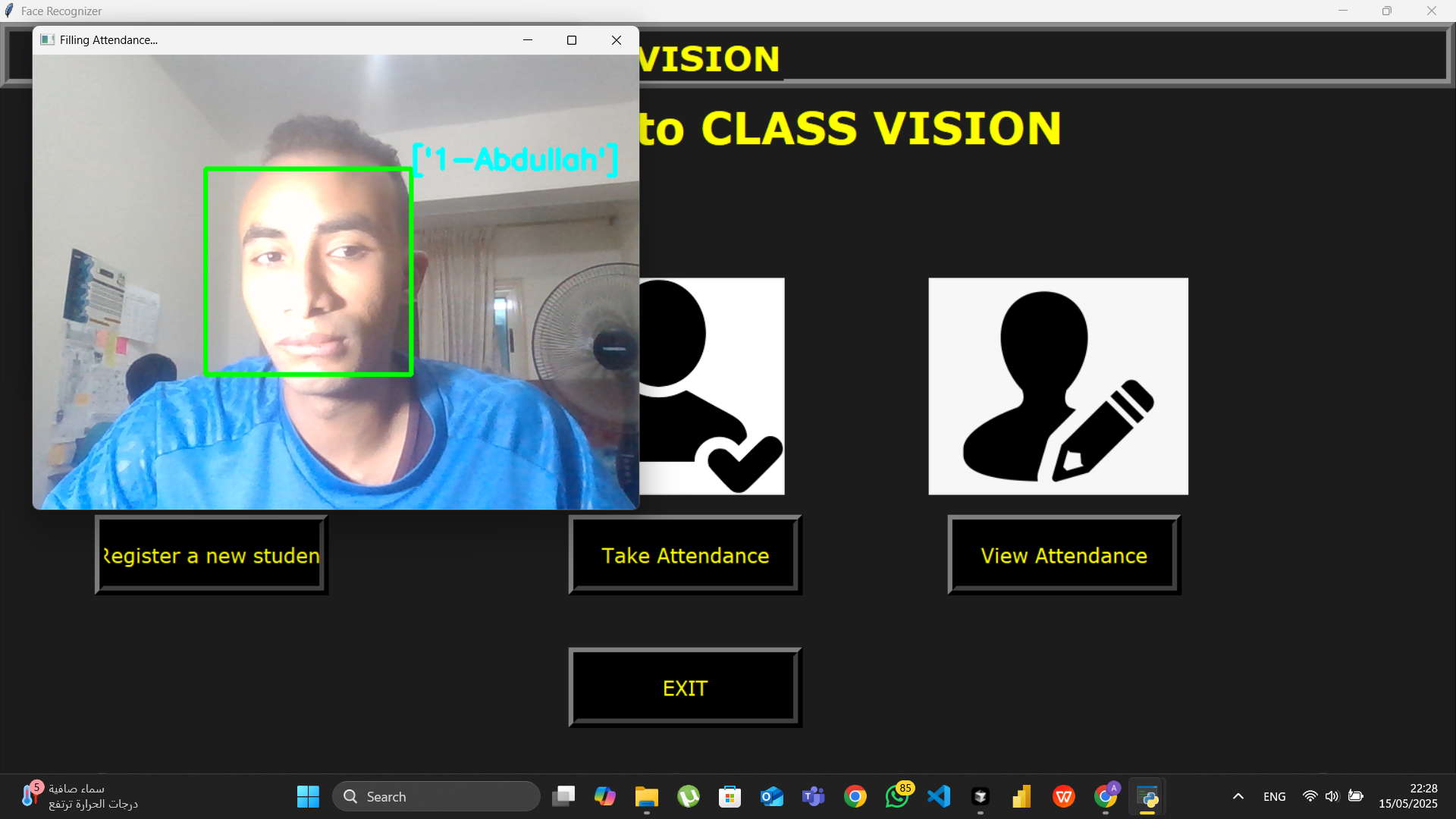
Attendance System with Face Recognition
The Attendance System with Face Recognition automates attendance tracking by identifying individuals through facial features captured by a camera. It uses computer vision and deep learning (e.g., CNNs with OpenCV or FaceNet) to detect and recognize faces in real time. Once recognized, the system logs the person's attendance in a database, ensuring accuracy, reducing manual errors, and preventing proxy attendance. Project Link.
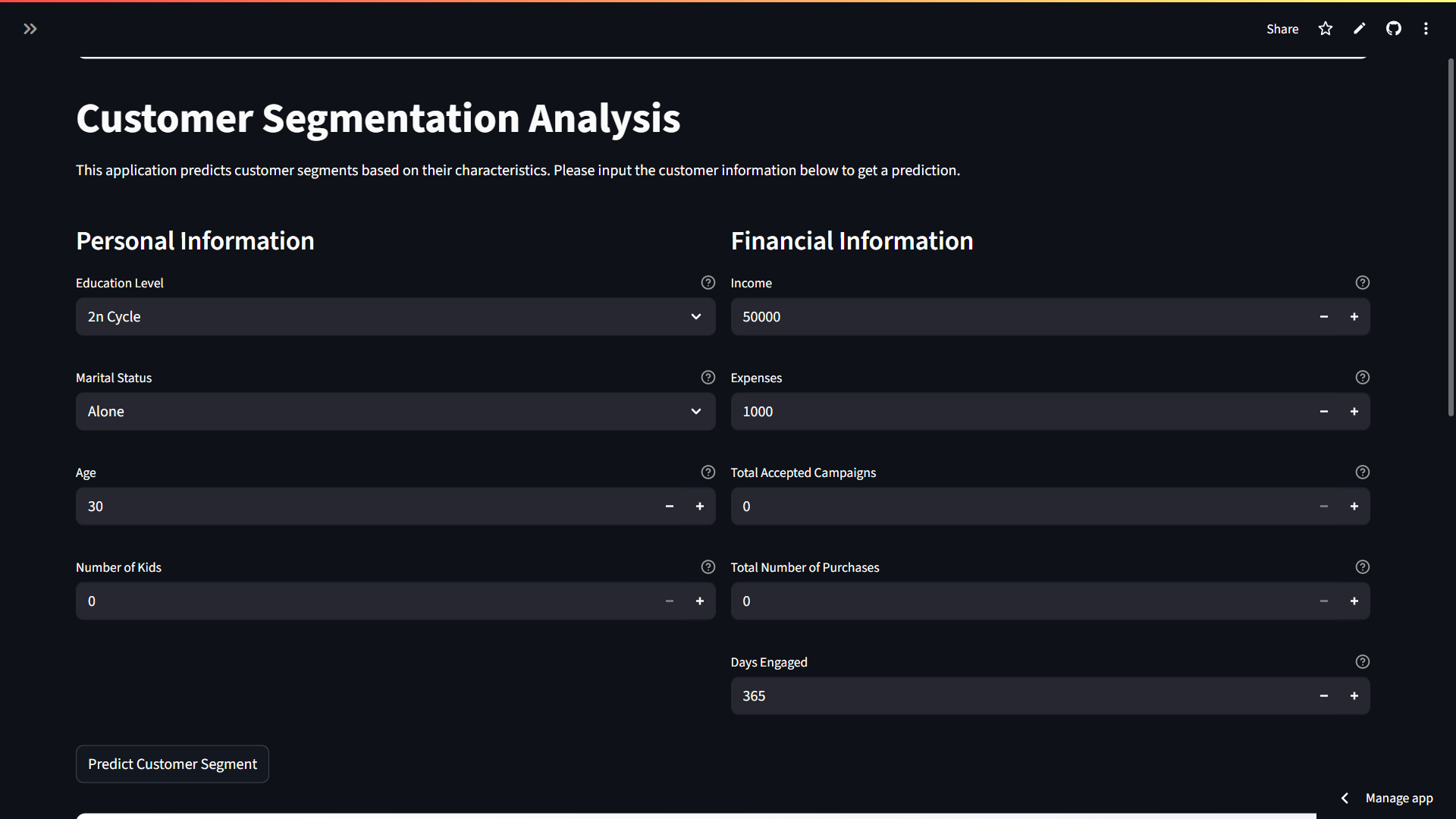
Customer Segmentation Analysis
This Streamlit app performs customer segmentation using the K‑Means clustering algorithm on user-uploaded datasets (or a default one). Users select two numeric features (e.g., age, income, spending score), determine the optimal number of clusters via the Elbow method, and visualize distinct customer groups in a dynamic scatter plot with autosummaries and profile tables. It enables businesses to uncover meaningful segments—like high-income big spenders vs. cautious budget shoppers—and tailor marketing strategies accordingly. Project Link.
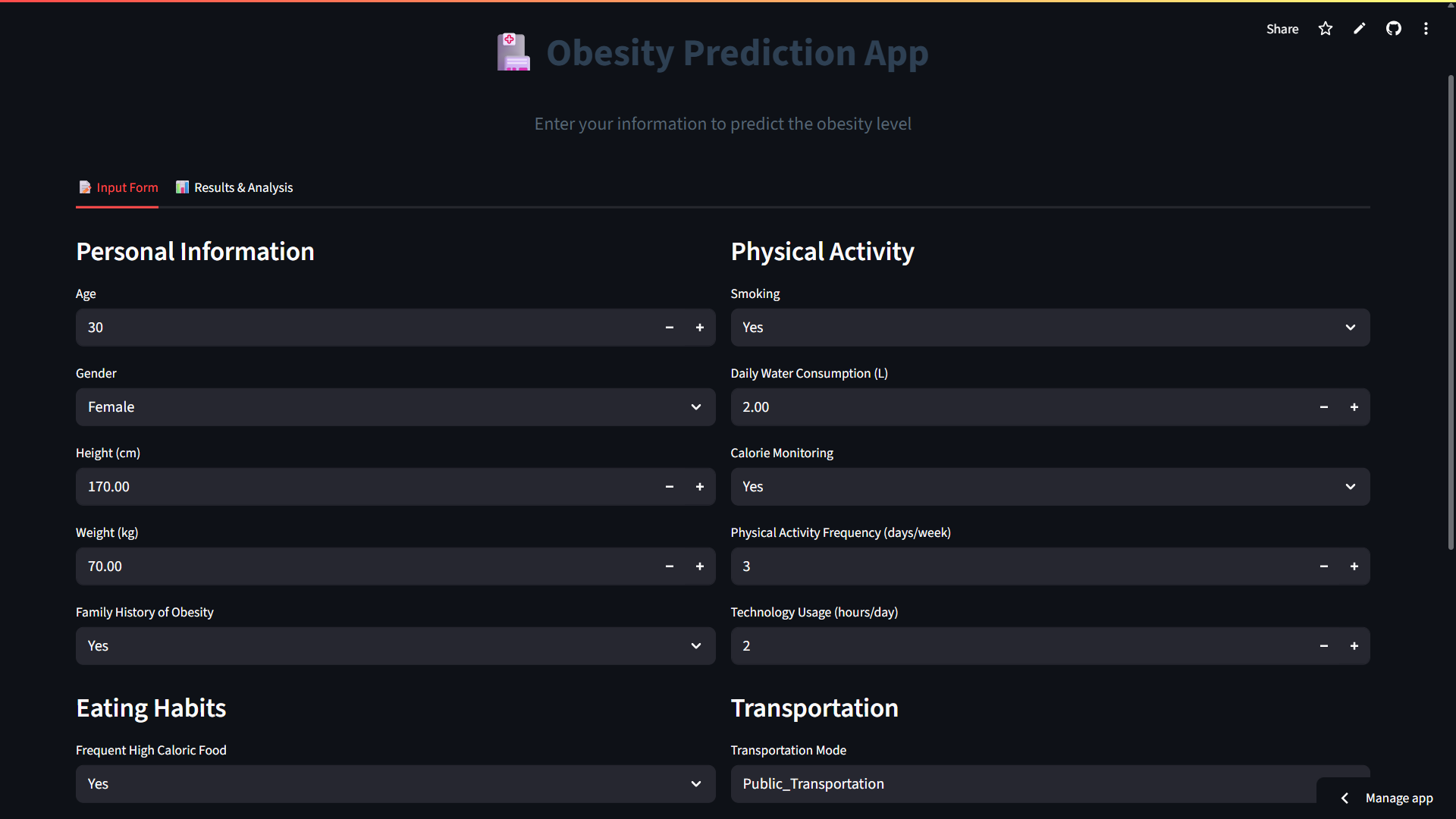
Obesity Prediction
This Streamlit app uses an XGBoost classifier to predict a person's obesity level based on inputs like age, gender, height, weight, and lifestyle habits. Trained on a labeled dataset, the model achieves high accuracy in classifying obesity categories (e.g., underweight, normal, overweight, obese). The interactive interface allows users to input their data and receive real-time predictions, along with visual explanations of the model’s behavior. Project Link.
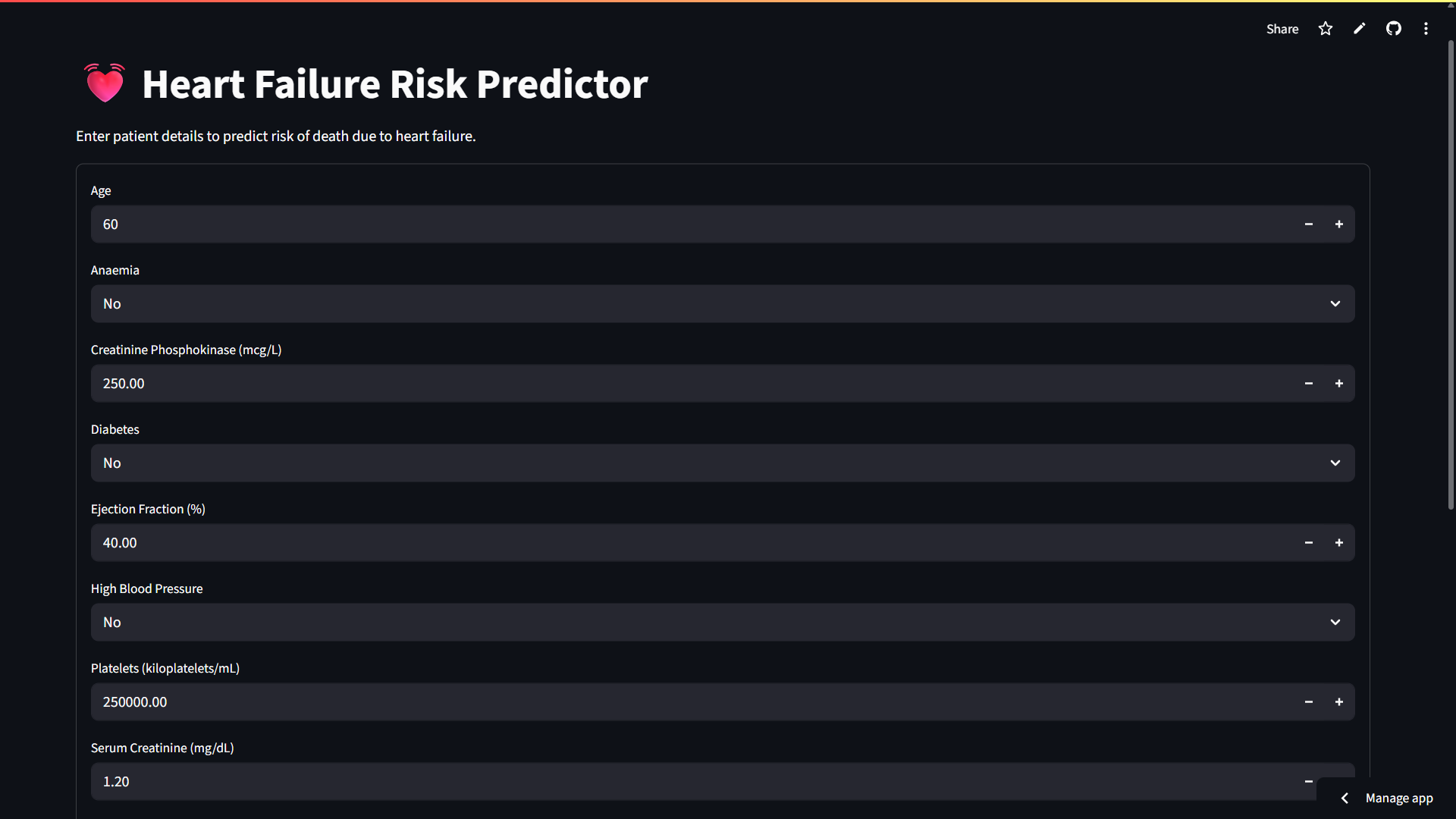
Heart Failure Prediction
This Streamlit app predicts the risk of heart failure using machine learning models trained on clinical data such as age, blood pressure, cholesterol, and ejection fraction. Users input their medical details, and the model instantly provides a risk assessment—helping identify individuals who may require further medical attention. The tool aims to support early diagnosis and preventative care by leveraging data-driven predictions. Project Link.
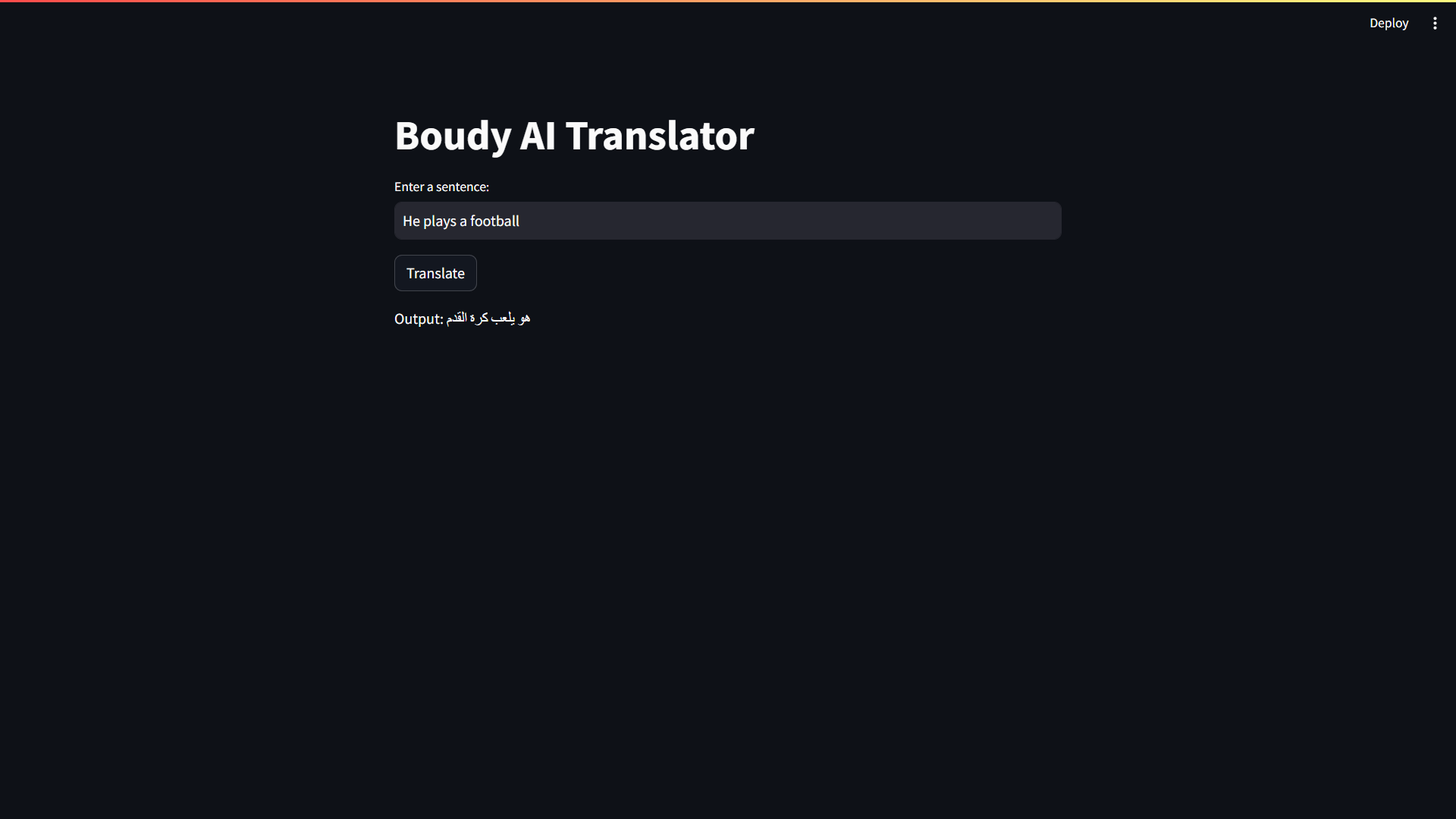
AI Translator
This AI Translator uses TensorFlow and LSTM-based sequence-to-sequence models to translate text from one language to another. The encoder LSTM processes the input sentence and compresses it into a context vector, which the decoder LSTM then uses to generate the translated sentence word by word. The model learns linguistic patterns and grammar rules from bilingual datasets, enabling accurate and fluent translations. Project Link.
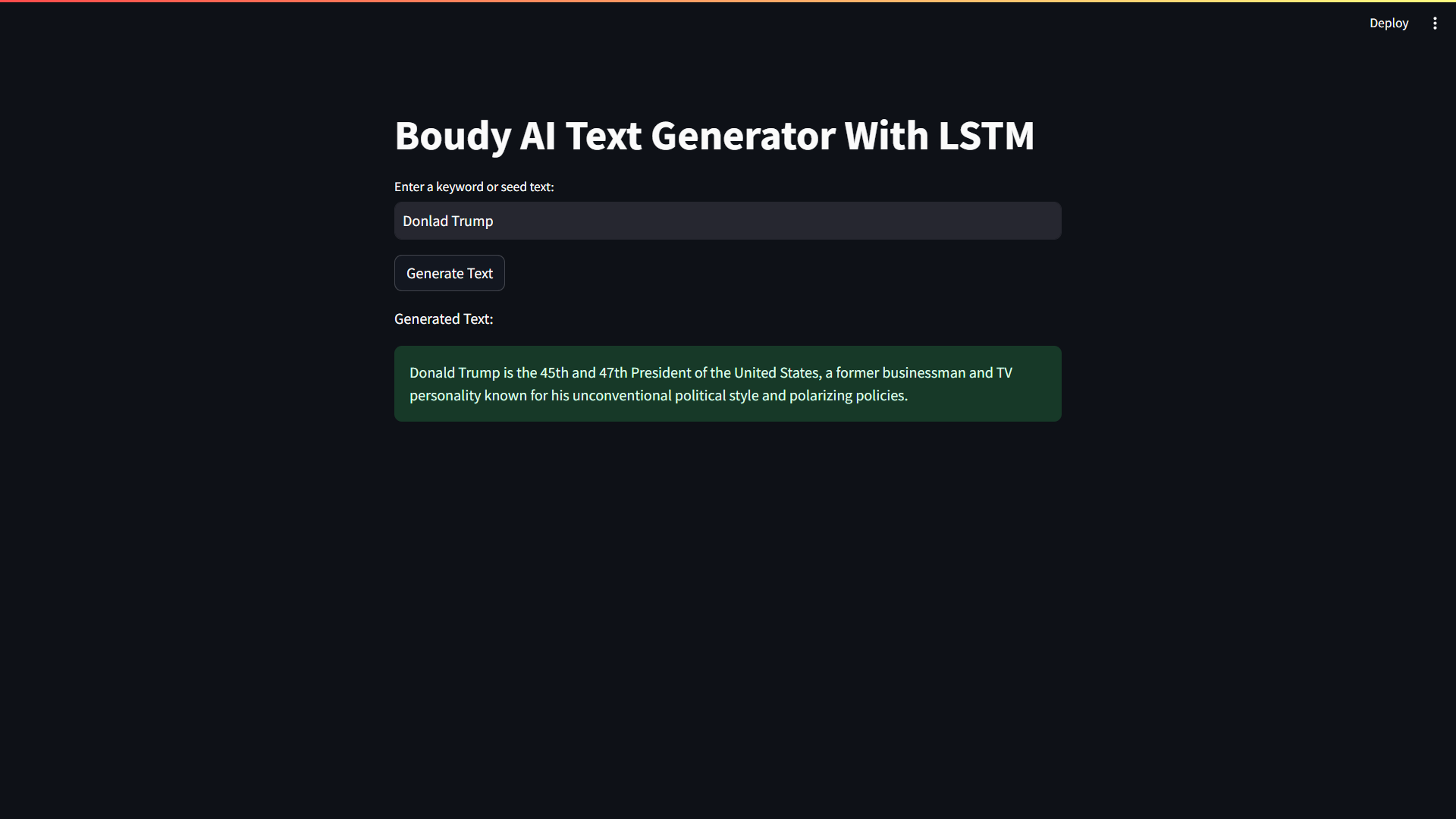
AI Text Generator
This AI Text Generator uses Long Short-Term Memory (LSTM) networks to learn patterns in text data and generate coherent, human-like sequences of text. By training on large datasets such as books, articles, or song lyrics, the model captures the context and structure of language over time. Once trained, it can generate new sentences or paragraphs by predicting the next word or character based on previous inpu Project Link.
Happy Trainee
I’ve mentored and trained over 100 aspiring professionals, sharing practical AI and ML knowledge through hands-on sessions and real-world projects.
Projects Completed
Successfully delivered more than 10 machine learning and deep learning projects—covering domains like healthcare, finance, and customer analytics.
Lines of Code
Written and maintained over 15,000 lines of clean, well-documented Python code across multiple AI projects, focusing on efficiency and scalability.
Positive Feedback
Earned strong feedback from peers, trainees, and clients for quality work, problem-solving skills, and commitment to delivering real-world impact.